
What Is Passover?
Passover originated in Exodus 12, when God instructed the Israelites to sacrifice a spotless lamb and place its blood on their doorposts before the final plague in Egypt.
When the Lord saw the blood, He “passed over” those homes, sparing the firstborn and delivering His people from slavery.
This event became an annual memorial celebrating God’s redemption and faithfulness.
Passover in the New Testament
The New Testament frequently mentions Passover, especially during the final week of Jesus’ earthly ministry.
Major themes include:
- Jesus celebrating Passover with His disciples.
- The Last Supper.
- Jesus’ crucifixion during Passover.
- Christ as the true Passover Lamb.
- Salvation through His sacrifice.
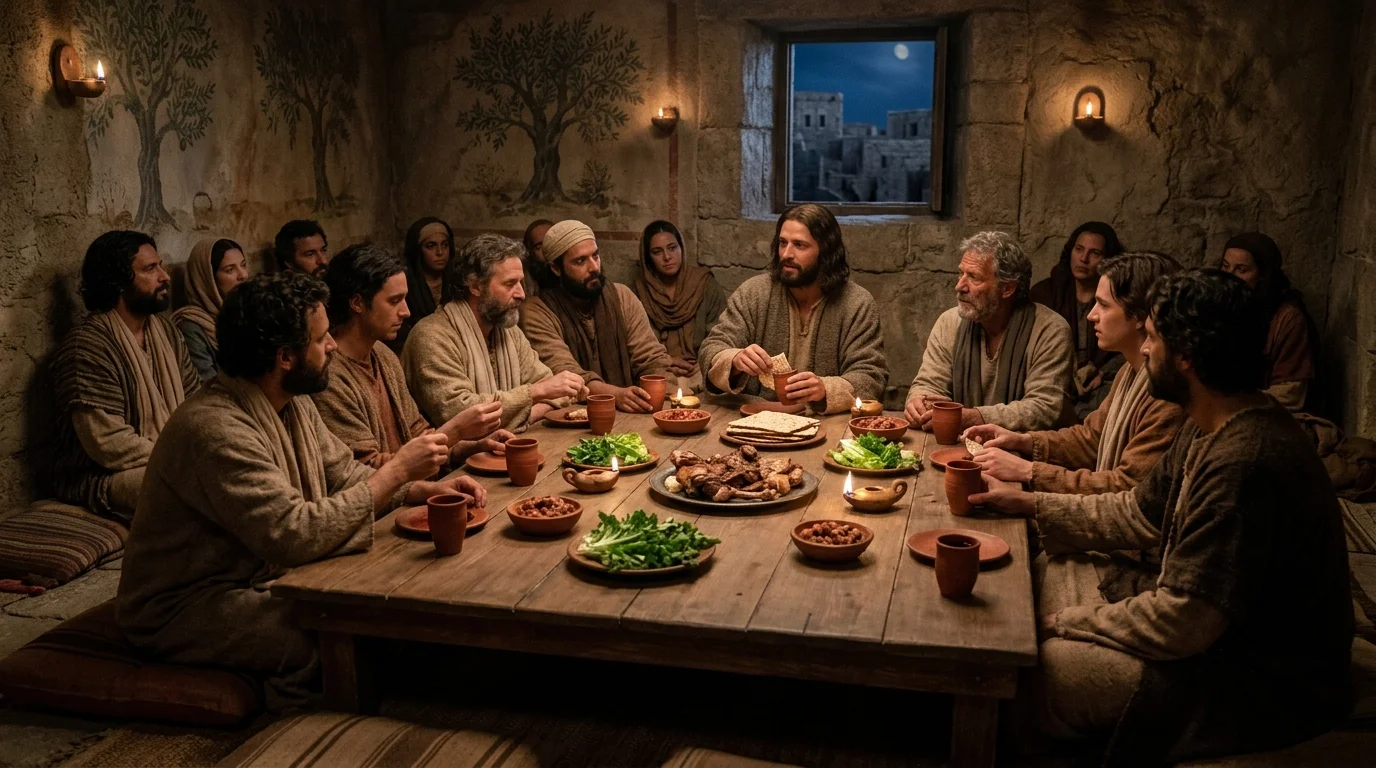
Jesus Celebrated Passover
Luke 22:7–8
Before His crucifixion, Jesus instructed Peter and John to prepare the Passover meal.
“Then came the day of Unleavened Bread on which the Passover lamb had to be sacrificed.” (NIV)
This meal became known as the Last Supper.
The Last Supper
Luke 22:14–20
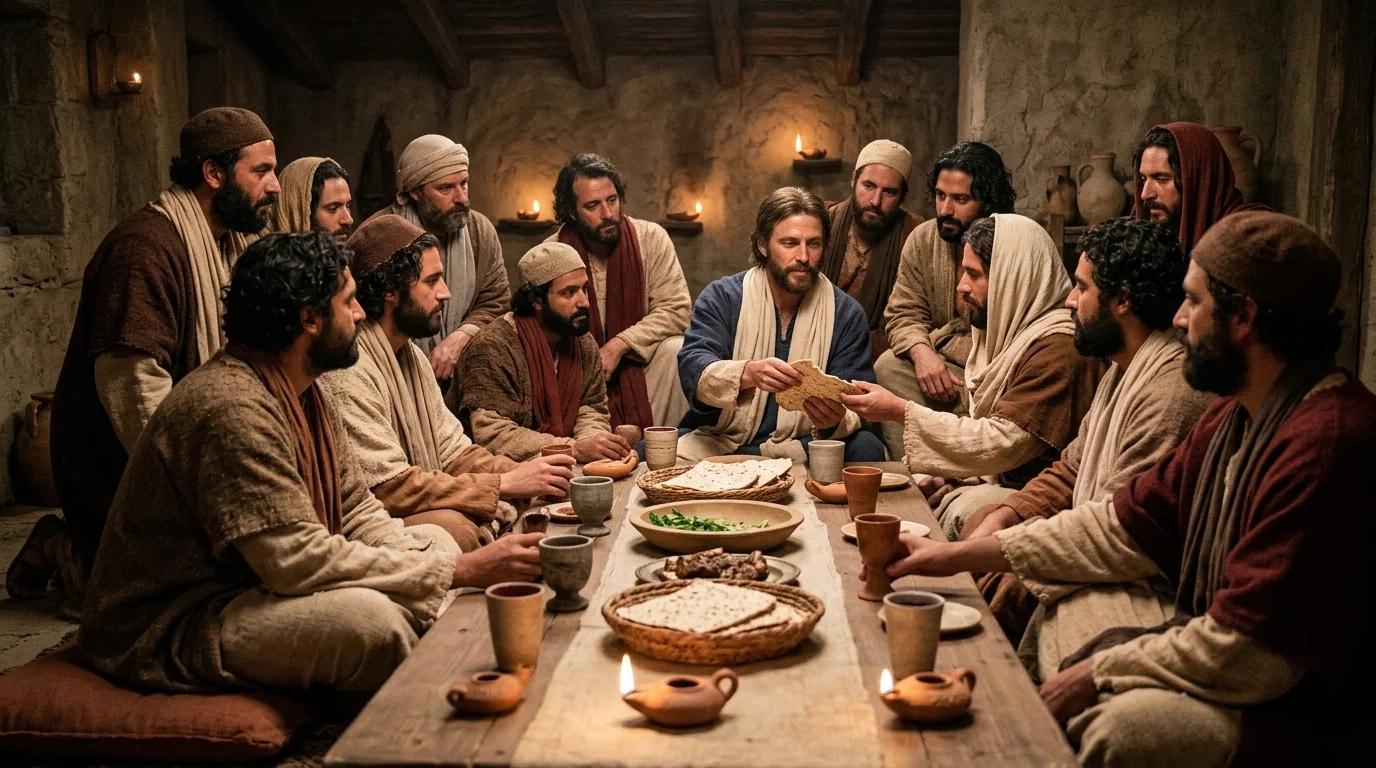
During the Passover meal, Jesus gave new significance to the bread and the cup.
The bread represented His body.
The cup represented the new covenant established through His blood.
Jesus said:
“Do this in remembrance of me.” (Luke 22:19, NIV)
This moment forms the foundation for the Christian practice of Communion (also called the Lord’s Supper).
Jesus Is the Passover Lamb
John 1:29
John the Baptist declared:
“Look, the Lamb of God, who takes away the sin of the world!” (NIV)
This title points directly to the Passover lamb of Exodus while revealing Jesus as the perfect sacrifice for sin.
1 Corinthians 5:7
The apostle Paul writes:
“For Christ, our Passover lamb, has been sacrificed.” (NIV)
This is one of the clearest New Testament statements connecting Jesus with Passover.
Rather than offering repeated animal sacrifices, Christ offered Himself once for all.
Jesus Was Crucified During Passover
All four Gospels place Jesus’ crucifixion during the Passover season.
This timing highlights God’s sovereign plan.
Just as the blood of the Passover lamb brought deliverance in Egypt, the blood of Christ brings forgiveness and salvation to all who trust in Him.
The New Covenant
Matthew 26:27–28
During the Passover meal, Jesus said:
“This is my blood of the covenant, which is poured out for many for the forgiveness of sins.” (NIV)
His sacrifice established the New Covenant promised by the prophets.
Hebrews Explains Christ’s Perfect Sacrifice
Hebrews 9:11–15
The writer of Hebrews explains that Jesus entered the heavenly sanctuary once for all through His own blood.
Unlike Old Testament sacrifices, His sacrifice is complete and sufficient forever.
Key New Testament Passages About Passover
Matthew 26
The preparation for Passover and the Last Supper.
Mark 14
Jesus shares the Passover meal with His disciples.
Luke 22
The institution of the Lord’s Supper during Passover.
John 13–19
Jesus’ final teachings, arrest, crucifixion, and death during Passover.
1 Corinthians 5:7–8
Paul identifies Christ as the Passover Lamb.
Hebrews 9–10
Jesus’ sacrifice fulfills the Old Testament sacrificial system.
Spiritual Lessons From Passover
God Delivers His People
Passover reminds believers that God rescues His people from bondage.
Jesus Is Our Perfect Sacrifice
Christ fulfilled what the Passover lamb pointed toward.
Salvation Comes Through Faith
Just as the Israelites trusted God’s instructions during the first Passover, believers receive salvation through faith in Jesus Christ.
Remember Christ’s Sacrifice
Communion continually reminds Christians of Jesus’ death and resurrection.
Live in Gratitude
Passover encourages believers to worship God for His mercy, grace, and redemption.
Passover and Communion
Many Christians see Communion as remembering the fulfillment of Passover through Jesus Christ.
While Passover remains an important Jewish festival, Communion celebrates Christ’s sacrificial death and resurrection under the New Covenant.
The New Testament encourages believers to remember Christ’s sacrifice whenever they share the Lord’s Supper.
A Prayer of Thanksgiving
Heavenly Father,
Thank You for Your great plan of salvation revealed throughout Scripture. Thank You for sending Jesus Christ, the true Passover Lamb, whose sacrifice brings forgiveness, freedom, and eternal life to all who trust in Him. Help me remember His love each day, live in grateful obedience, and share the hope of the gospel with others. Strengthen my faith as I remember the price that was paid for my redemption.
In Jesus’ name, Amen.