
Biblical Background
The story of Stephen takes place shortly after Jesus’ resurrection and ascension. As the early church in Jerusalem grew rapidly, the apostles found it increasingly difficult to meet both the spiritual and practical needs of the believers. Some widows were being overlooked in the daily distribution of food, creating tension within the growing Christian community.
To address this need, the apostles instructed the church to choose seven men of good reputation, full of the Spirit and wisdom, to oversee this ministry. Stephen was one of those chosen because of his strong faith, godly character, and wisdom (Acts 6:1–6).
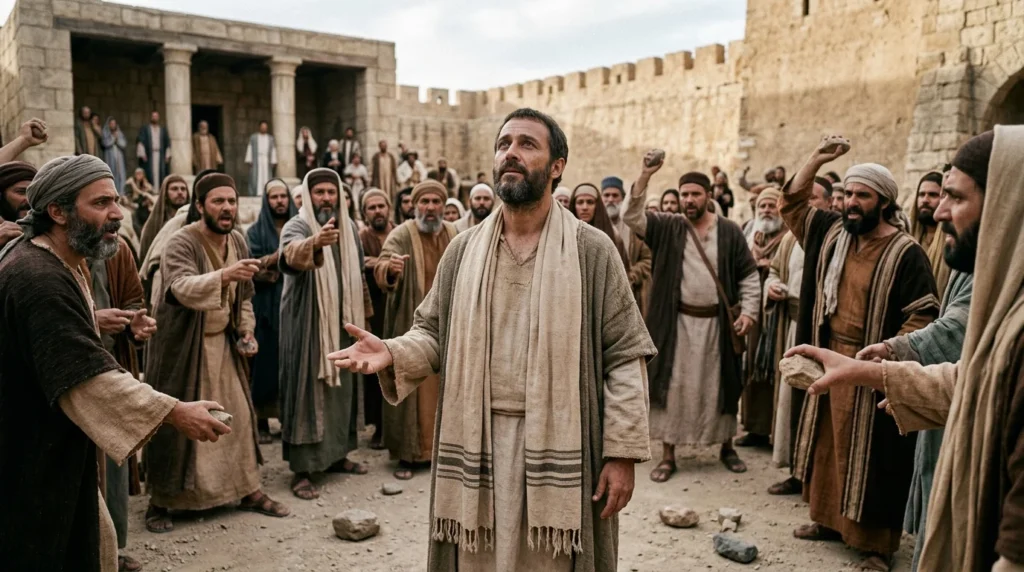
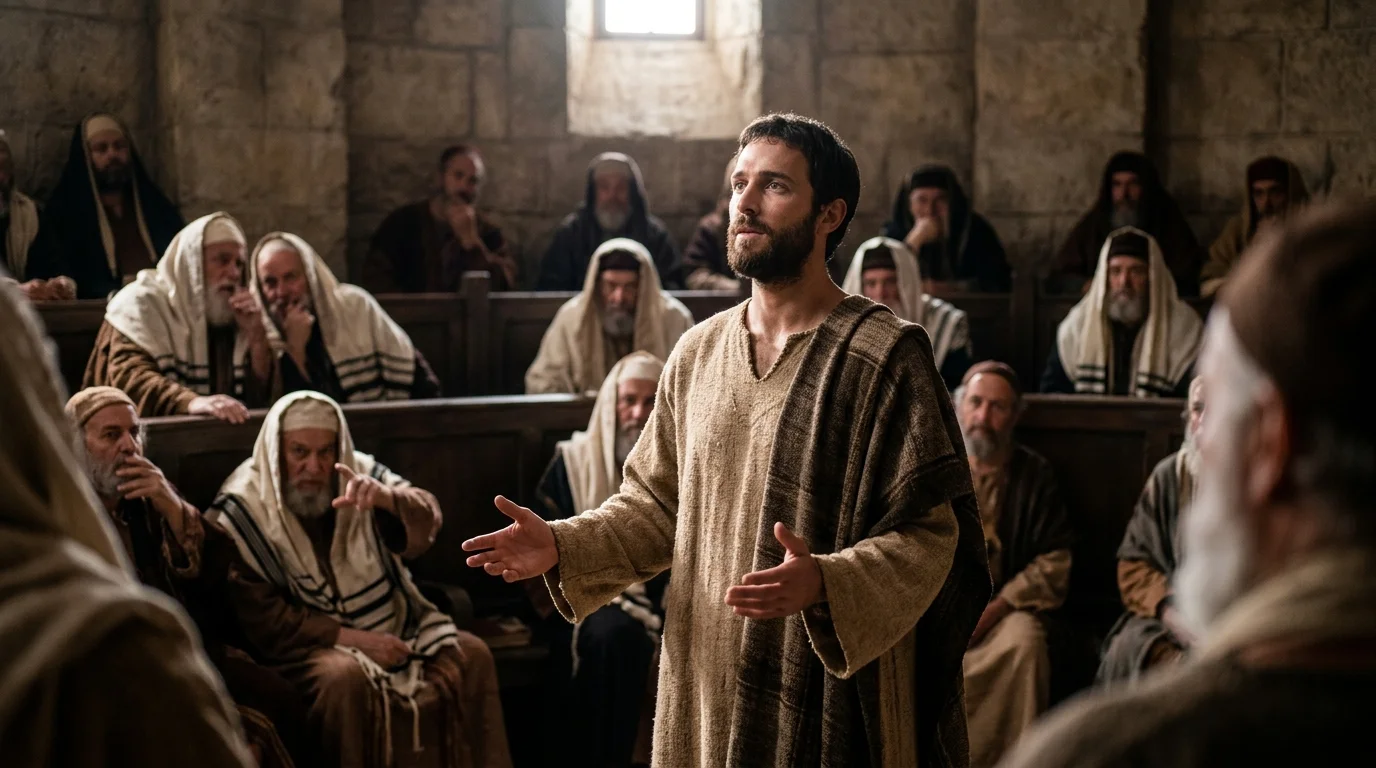
God worked powerfully through Stephen, enabling him to perform great signs and miracles among the people. His bold preaching about Jesus, however, led to opposition from religious leaders. Unable to refute his wisdom, they falsely accused him of blasphemy and brought him before the Jewish council.
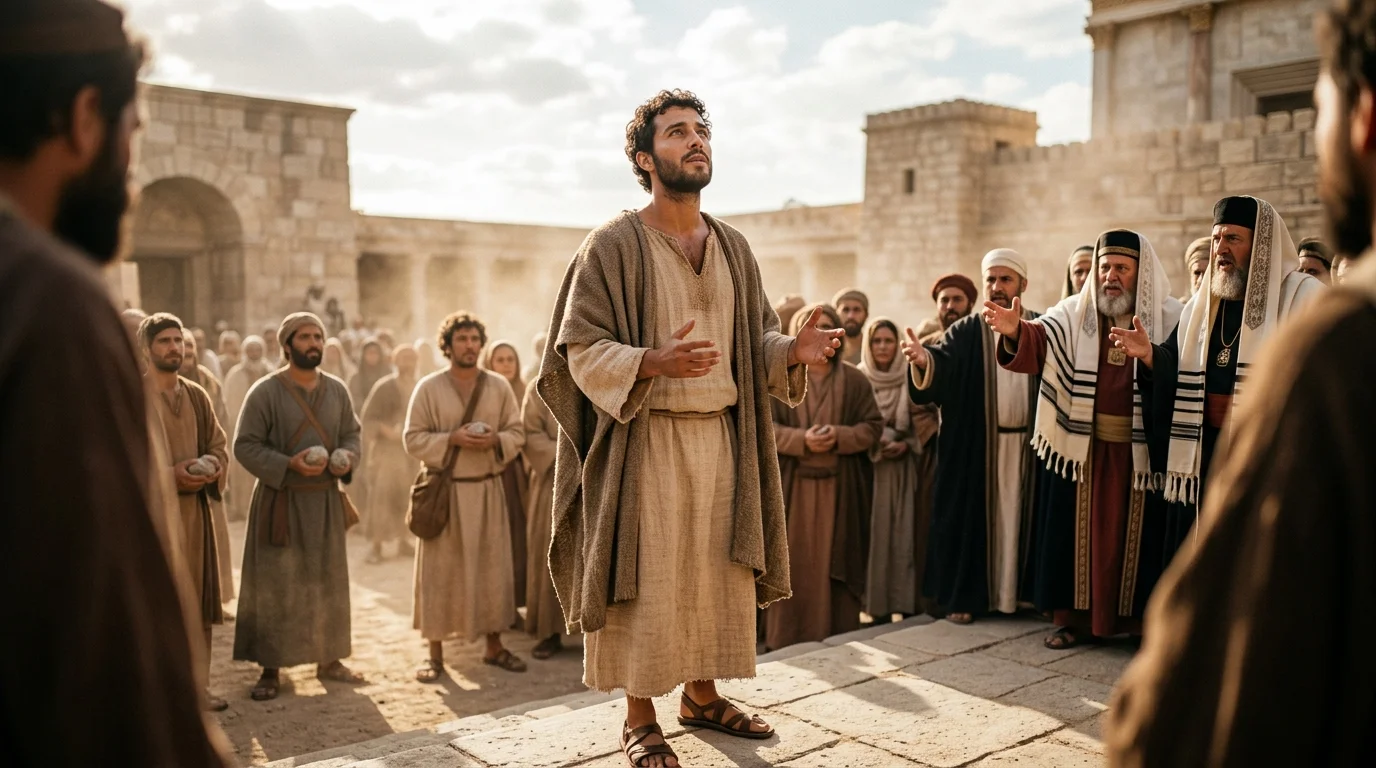
In Acts 7, Stephen delivered a powerful sermon recounting Israel’s history and proclaiming Jesus as the promised Messiah. His message angered the council, leading to his execution by stoning. As he died, Stephen prayed for those killing him, echoing Jesus’ words on the cross.
Key References From Core Bible Books
The book of Acts provides the complete account of Stephen’s life and ministry. Acts 6 introduces him as a man full of faith and the Holy Spirit, while Acts 7 records his powerful defense of the gospel and his martyrdom.
The Gospel of Luke records Jesus praying for His executioners: “Father, forgive them.” Stephen reflected this same spirit when he prayed for those who were stoning him, demonstrating Christlike forgiveness.
The book of Matthew records Jesus’ teaching that His followers would face persecution for His name. Stephen became one of the earliest examples of faithful endurance under persecution.
The book of Hebrews encourages believers to persevere in faith despite suffering, a principle beautifully illustrated by Stephen’s unwavering devotion to Christ.
Together, these passages present Stephen as a courageous servant whose life reflected the character and teachings of Jesus.
Spiritual Interpretations
1. Stephen Was Full of Faith and the Holy Spirit
“They chose Stephen, a man full of faith and of the Holy Spirit.” — Acts 6:5 (NIV)
Stephen’s ministry began with faithful service rather than public recognition. His example reminds believers that God often prepares people for greater responsibilities through humble obedience. A life surrendered to the Holy Spirit becomes a powerful witness for Christ.
2. Courage Comes From God’s Presence
“Stephen, full of God’s grace and power, performed great wonders and signs among the people.” — Acts 6:8 (NIV)
Stephen did not rely on his own strength or abilities. God empowered him to speak with wisdom and boldness. His courage teaches believers that the Holy Spirit equips God’s people to remain faithful even during opposition.
3. Forgiveness Reflects the Heart of Christ
“Lord, do not hold this sin against them.” — Acts 7:60 (NIV)
As Stephen was being stoned, he chose forgiveness instead of hatred. His prayer closely resembles Jesus’ words from the cross, demonstrating that genuine faith produces compassion even toward enemies.
4. Faithfulness Is More Important Than Earthly Success
Stephen’s earthly ministry was brief, yet his faithful witness had eternal significance. His life reminds Christians that success in God’s kingdom is measured by faithfulness rather than popularity, comfort, or length of service.
Variations and Related Themes
Stephen’s story connects with several important biblical themes, including Christian persecution, the work of the Holy Spirit, forgiveness, servant leadership, and faithfulness under suffering. His life also marks a significant turning point in the book of Acts.
Following Stephen’s death, persecution intensified, causing many believers to scatter beyond Jerusalem. Rather than stopping the spread of the gospel, this persecution helped fulfill Jesus’ command to take the good news to Judea, Samaria, and eventually the ends of the earth.
Stephen’s martyrdom also introduces Saul, later known as the apostle Paul, who witnessed Stephen’s death (Acts 7:58; Acts 8:1). Although Saul initially approved of the execution, God later transformed him into one of Christianity’s greatest missionaries. Stephen’s faithful witness became part of God’s larger redemptive plan.
Related passages include Matthew 5:10–12, John 15:18–20, Romans 12:14, 2 Timothy 3:12, and Revelation 2:10. Together, these Scriptures encourage believers to remain faithful to Christ regardless of opposition.
Faith-Based Action Steps
1. A Prayer for Courage
“Heavenly Father, thank You for the example of Stephen’s faithful life. Fill me with Your Holy Spirit and help me stand firm in my faith, even when following You is difficult. Give me wisdom to speak the truth with love, courage to obey Your Word, and grace to forgive those who hurt me. May my life reflect the character of Jesus and bring glory to Your name. In Jesus’ name, Amen.”
2. Read Stephen’s Story
Spend time reading Acts 6–7 in its entirety. Notice Stephen’s humility, wisdom, courage, and forgiveness. Ask God to show you how these qualities can grow in your own life.
3. Serve Faithfully Wherever God Has Placed You
Stephen first served by caring for practical needs within the church before becoming known for his preaching. Look for opportunities to serve others with humility, remembering that every act of faithful service honors God.