
Biblical Background
Forgiveness is woven throughout the story of the Bible. After humanity fell into sin, God began His plan of redemption, ultimately fulfilled through Jesus Christ. From the Old Testament to the New Testament, God’s mercy is repeatedly displayed toward people who turn to Him with repentant hearts.
King David experienced God’s forgiveness after confessing his sin. In Psalm 51, he cried out for mercy, asking God to create a clean heart within him. His prayer shows that genuine repentance opens the door to restoration.
Jesus placed forgiveness at the center of His earthly ministry. He forgave sins, restored broken lives, and taught His followers to forgive one another. During His crucifixion, He prayed, “Father, forgive them, for they do not know what they are doing” (Luke 23:34, NIV), demonstrating perfect mercy even toward those who rejected Him.
The apostles continued this teaching by encouraging believers to forgive as they had been forgiven by God. Throughout Scripture, forgiveness reflects God’s character and transforms relationships through His grace.
Key References From Core Bible Books
The book of Psalms beautifully expresses God’s mercy toward those who repent. Psalm 103:12 declares, “As far as the east is from the west, so far has he removed our transgressions from us” (NIV). This passage assures believers that God’s forgiveness is complete.
The Gospel of Matthew records Jesus’ teaching on forgiveness. In Matthew 6:14–15, Jesus emphasizes the importance of forgiving others as those who have received God’s mercy. Matthew highlights forgiveness as evidence of a transformed heart.
The book of Ephesians provides practical instruction for Christian relationships. Ephesians 4:31–32 calls believers to put away bitterness and forgive one another, just as God forgave them in Christ.
The book of Colossians echoes this message. Colossians 3:13 encourages Christians to bear with one another and forgive grievances, reflecting the compassion and patience God continually shows His people.
Together, these passages reveal that forgiveness is not merely an emotion but an act of obedience rooted in God’s amazing grace.
Spiritual Interpretations
1. God’s Forgiveness Gives Us a New Beginning
“As far as the east is from the west, so far has he removed our transgressions from us.” — Psalm 103:12 (NIV)
God’s forgiveness is complete and life-changing. When we confess our sins with sincere repentance, He removes our guilt and welcomes us into restored fellowship. His grace gives us hope no matter what our past may hold.
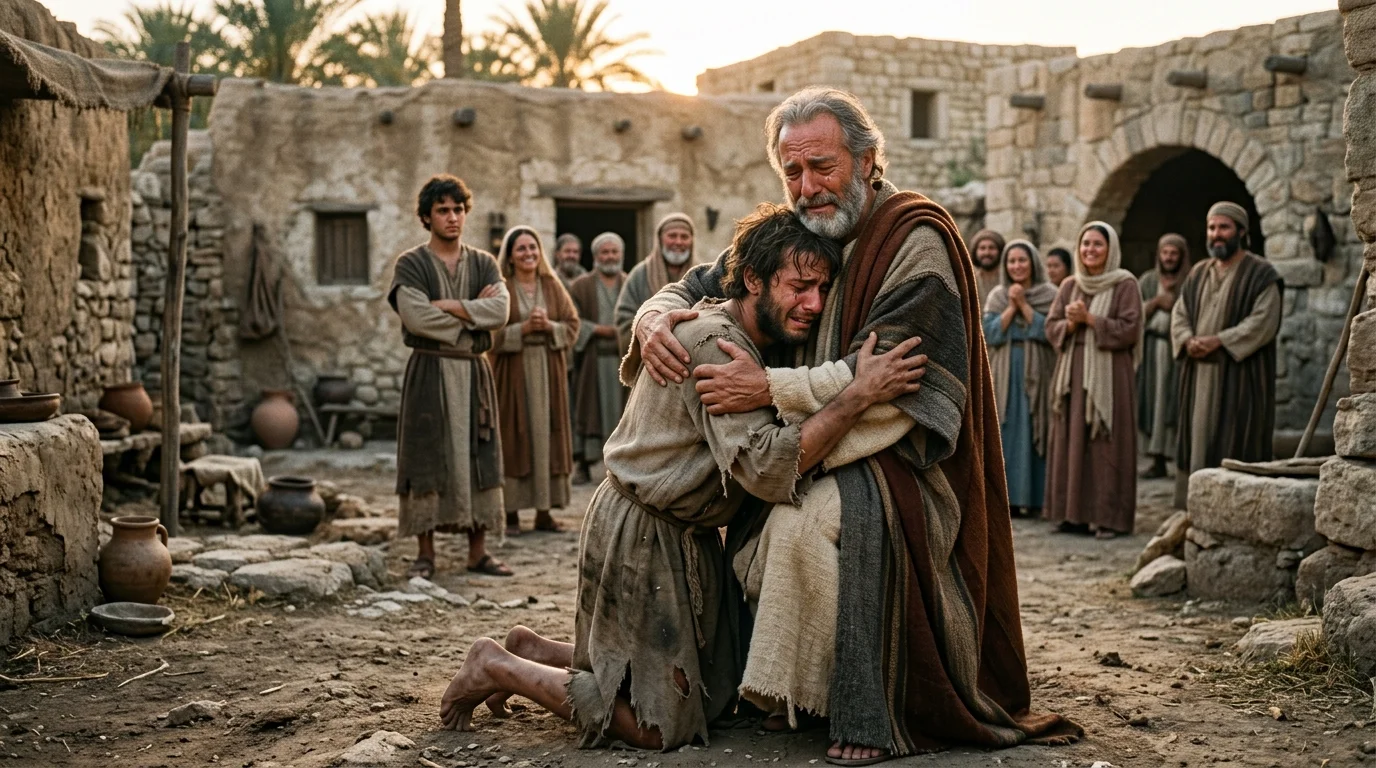
2. Forgive Others as Christ Forgave You
“Be kind and compassionate to one another, forgiving each other, just as in Christ God forgave you.” — Ephesians 4:32 (NIV)
Because God has freely forgiven us, we are called to extend that same grace to others. Forgiveness may not erase painful memories, but it frees our hearts from bitterness and reflects the love of Christ in our lives.
3. Forgiveness Brings Peace to the Heart
“Bear with each other and forgive one another if any of you has a grievance against someone.” — Colossians 3:13 (NIV)
Holding onto resentment can weigh heavily on the heart. Choosing forgiveness allows God’s peace to replace anger and bitterness. It is a daily decision to trust God’s justice rather than seeking personal revenge.
4. Mercy Reflects the Character of God
“For if you forgive other people when they sin against you, your heavenly Father will also forgive you.” — Matthew 6:14 (NIV)
Jesus teaches that forgiven people become forgiving people. A heart shaped by God’s mercy naturally desires reconciliation and compassion. Forgiveness becomes a testimony of God’s transforming work within us.
Variations and Related Themes
Forgiveness appears in many different situations throughout the Bible. Sometimes it involves confessing personal sin to God, while other passages focus on restoring broken relationships between people. Scripture also distinguishes forgiveness from reconciliation. Although forgiveness is always encouraged, rebuilding trust may require time, repentance, accountability, and wisdom.
Another important theme is forgiving yourself after receiving God’s forgiveness. Believers can confidently move forward because Romans 8:1 declares that there is no condemnation for those who are in Christ Jesus. Accepting God’s grace allows us to live with freedom rather than carrying the burden of past failures.
Whether the need is forgiveness from God or forgiveness toward others, every biblical example points back to God’s endless mercy and faithfulness.
Faith-Based Action Steps
1. A Prayer for a Forgiving Heart
“Heavenly Father, thank You for forgiving my sins through Your amazing grace. Search my heart and reveal any bitterness, resentment, or unforgiveness that I have been holding onto. Give me the strength to forgive others as You have forgiven me. Heal my wounds, fill me with Your peace, and help me reflect Your love in every relationship. In Jesus’ name, Amen.”

2. Practice Honest Self-Reflection
Spend time reading Psalm 51, Matthew 18:21–35, and Ephesians 4:31–32. Ask God to reveal any areas where forgiveness is needed. Write down the names or situations you need to surrender to Him, and pray over them daily.
3. Seek Support From Your Christian Community
Forgiveness can be difficult, especially after deep hurt. Share your struggles with a trusted pastor, mature Christian friend, or small group who can pray with you, encourage you, and help you grow in biblical wisdom. If you are recovering from serious abuse or trauma, seeking support from qualified Christian counselors alongside pastoral care can also be an important part of healing.