
BIBLICAL BACKGROUND
Baptism was not a new idea in the time of Jesus. Water rituals existed among Jewish communities as symbols of cleansing and spiritual preparation. However, John the Baptist brought a special message of repentance and preparation for the coming Messiah.
John baptized people in the Jordan River as they confessed their sins and turned their hearts toward God. Mark 1:4 says, “And so John the Baptist appeared in the wilderness, preaching a baptism of repentance for the forgiveness of sins” (NIV).
John’s baptism pointed people toward Jesus, but it did not represent the full revelation of Christ’s completed work. After Jesus died and rose again, baptism became connected with faith in Him, His death and resurrection, and the gift of the Holy Spirit.
Jesus commanded His followers to baptize disciples in the name of the Father, Son, and Holy Spirit. Matthew 28:19 says, “Therefore go and make disciples of all nations, baptizing them in the name of the Father and of the Son and of the Holy Spirit” (NIV).
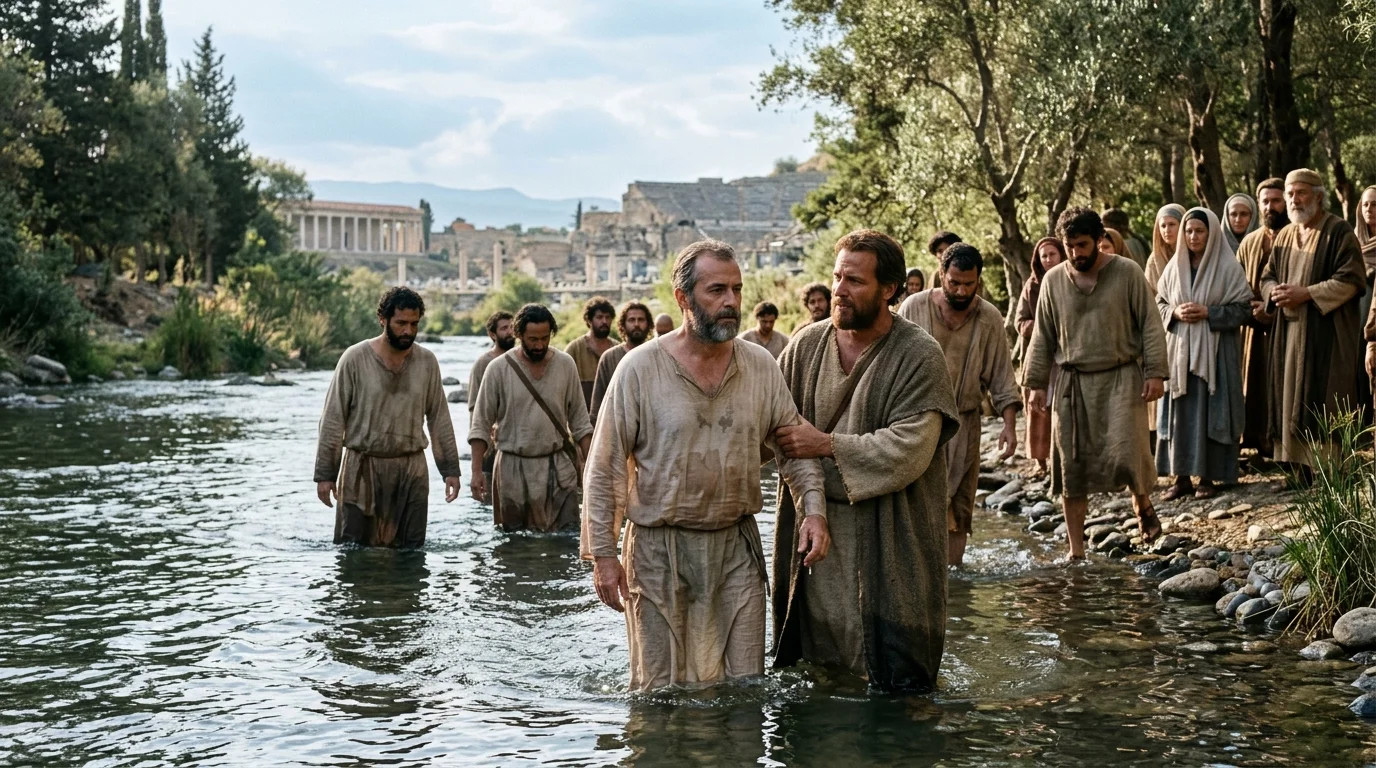
The clearest example of people receiving a second baptism is found in Acts 19. The apostle Paul met believers in Ephesus who had received John’s baptism but had not yet understood the full message about Jesus and the Holy Spirit.
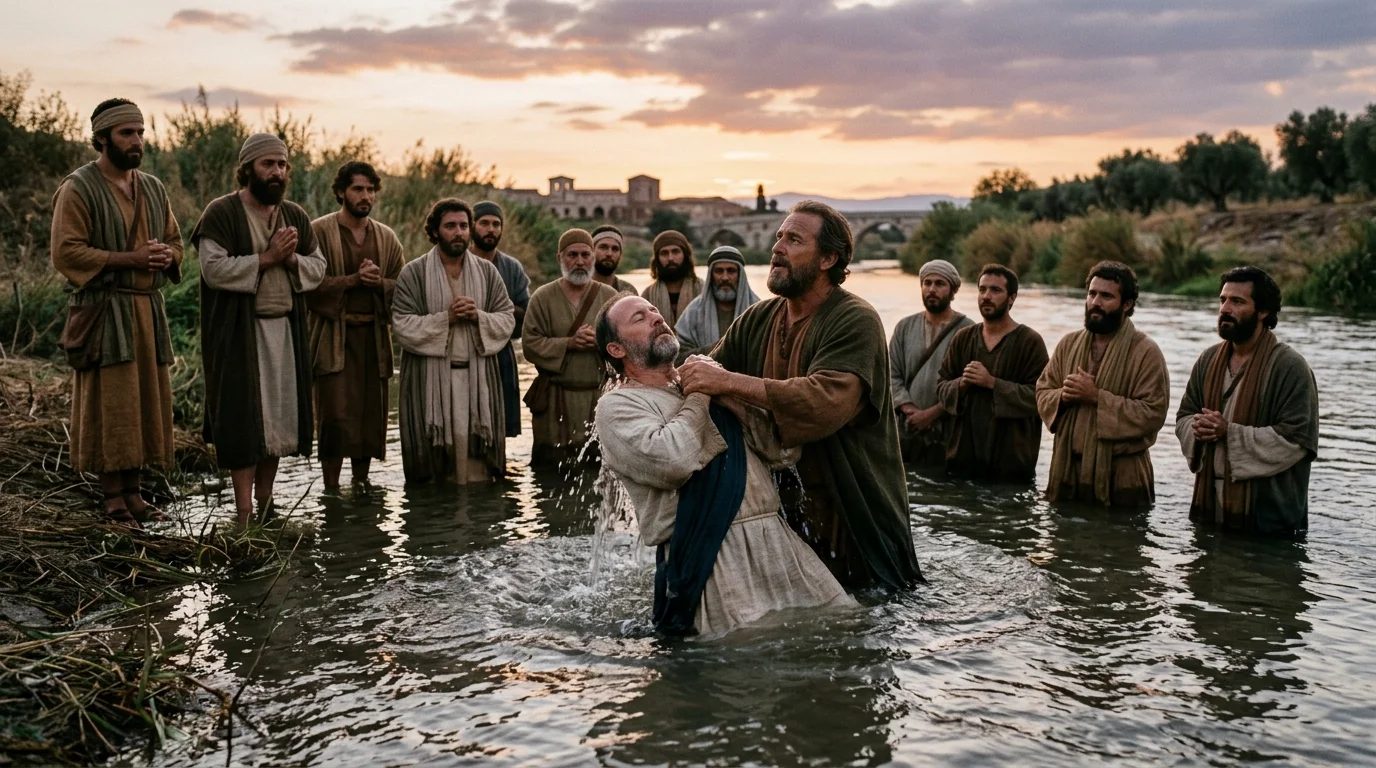
After Paul explained the gospel, they were baptized in the name of the Lord Jesus. This was not a rejection of their earlier repentance but a step into a fuller understanding of faith in Christ.
KEY REFERENCES FROM CORE BIBLE BOOKS
The book of Acts provides the main biblical example of people who experienced a second baptism. In Acts 19:1–6, Paul encountered disciples in Ephesus who had only known John’s baptism. After learning about Jesus, they were baptized in His name, and the Holy Spirit came upon them.
Acts is important because it records the growth of the early Church and shows how people moved from preparation to complete faith in Christ.
The Gospel of Matthew explains Jesus’ command concerning baptism. Matthew 28:19 shows that Christian baptism is connected with becoming disciples of Christ and entering into a relationship with the Triune God.
The Gospel of John helps us understand the importance of spiritual transformation. Jesus told Nicodemus in John 3:5, “Very truly I tell you, no one can enter the kingdom of God unless they are born of water and the Spirit” (NIV). This shows that God’s work involves both outward obedience and inward spiritual renewal.
The book of Romans explains the deeper meaning of baptism. Romans 6:4 says, “We were therefore buried with him through baptism into death in order that, just as Christ was raised from the dead through the glory of the Father, we too may live a new life” (NIV).
These passages show that baptism is not merely a ceremony. It represents a person’s connection with Christ, repentance from sin, and new life through God’s grace.
SPIRITUAL INTERPRETATIONS
1. A Second Baptism Can Represent Deeper Understanding of Christ
“When they heard this, they were baptized in the name of the Lord Jesus.” — Acts 19:5 (NIV)
The believers in Ephesus had already experienced John’s baptism, but they had not fully understood Jesus’ completed work and the role of the Holy Spirit.
Their second baptism represented growth in spiritual knowledge and a deeper commitment to Christ.
This teaches modern believers that our faith journey is one of continual growth. God often leads us from partial understanding into greater truth as we seek Him.
2. Baptism Shows a Transition From the Old Life to New Life
“We were therefore buried with him through baptism into death in order that, just as Christ was raised from the dead… we too may live a new life.” — Romans 6:4 (NIV)
Paul explains that baptism symbolizes dying to the old life of sin and rising into a new life with Christ.
For believers, baptism is a public declaration that Jesus has changed their hearts.
Even if someone was baptized in the past, the most important question is whether they are truly living in relationship with Christ today.
3. God Desires Truth and Understanding, Not Empty Tradition
“My people are destroyed from lack of knowledge.” — Hosea 4:6 (NIV)
The people in Ephesus were sincere, but they lacked important understanding about Jesus and the Holy Spirit.
God does not desire people to follow religious practices without knowing Him personally.
This reminds Christians today to study Scripture, ask questions, and seek wisdom. Faith grows stronger when it is built on God’s truth.
4. The Holy Spirit Marks the Life of a Believer
“Did you receive the Holy Spirit when you believed?” — Acts 19:2 (NIV)
Paul’s conversation with the Ephesian disciples revealed that they had not yet experienced the fullness of the Holy Spirit’s work.
The Holy Spirit empowers believers to live faithfully, understand God’s Word, and become more like Christ.
This passage encourages Christians to seek a deeper walk with God rather than settling for only outward religious actions.
VARIATIONS & RELATED THEMES
The Bible does not teach that every Christian must be baptized twice. The example in Acts 19 was a unique situation involving people who had received John’s baptism but had not yet understood the message of Jesus.
Some believers today may choose to be baptized again because their first baptism happened before they truly understood their faith. Others may do so as a personal recommitment to God.
However, Scripture emphasizes that true faith in Christ is the foundation. Baptism is meaningful because it represents a heart surrendered to Jesus.
The important question is not simply, “How many times have I been baptized?” but, “Am I faithfully following Christ?”
FAITH-BASED ACTION STEPS
1. Pray for Greater Understanding of Your Faith
If you are seeking clarity about baptism, bring your questions to God.
Sample Prayer:
“Lord Jesus, thank You for calling me into a relationship with You. Help me understand Your Word and Your purpose for baptism. Remove confusion from my heart and guide me into truth. Help me live a life that honors You, not only through outward actions but through genuine faith and obedience. Strengthen my relationship with You and fill me with Your Spirit. Amen.”
2. Reflect on Your Spiritual Journey
Take time to consider your baptism and your relationship with Christ.
Ask yourself:
- Did I understand what baptism represented?
- Am I trusting Jesus daily?
- Is my life showing evidence of spiritual growth?
This reflection is not meant to create fear but to encourage a deeper relationship with God.
3. Seek Biblical Community and Guidance
Questions about baptism can sometimes be personal and complex. Talking with a pastor, Bible teacher, or mature Christian friend can provide wisdom and encouragement.
God often uses the community of believers to help us grow in understanding and faith.
A healthy Christian community helps us remain grounded in Scripture and focused on Christ.