
Biblical Background
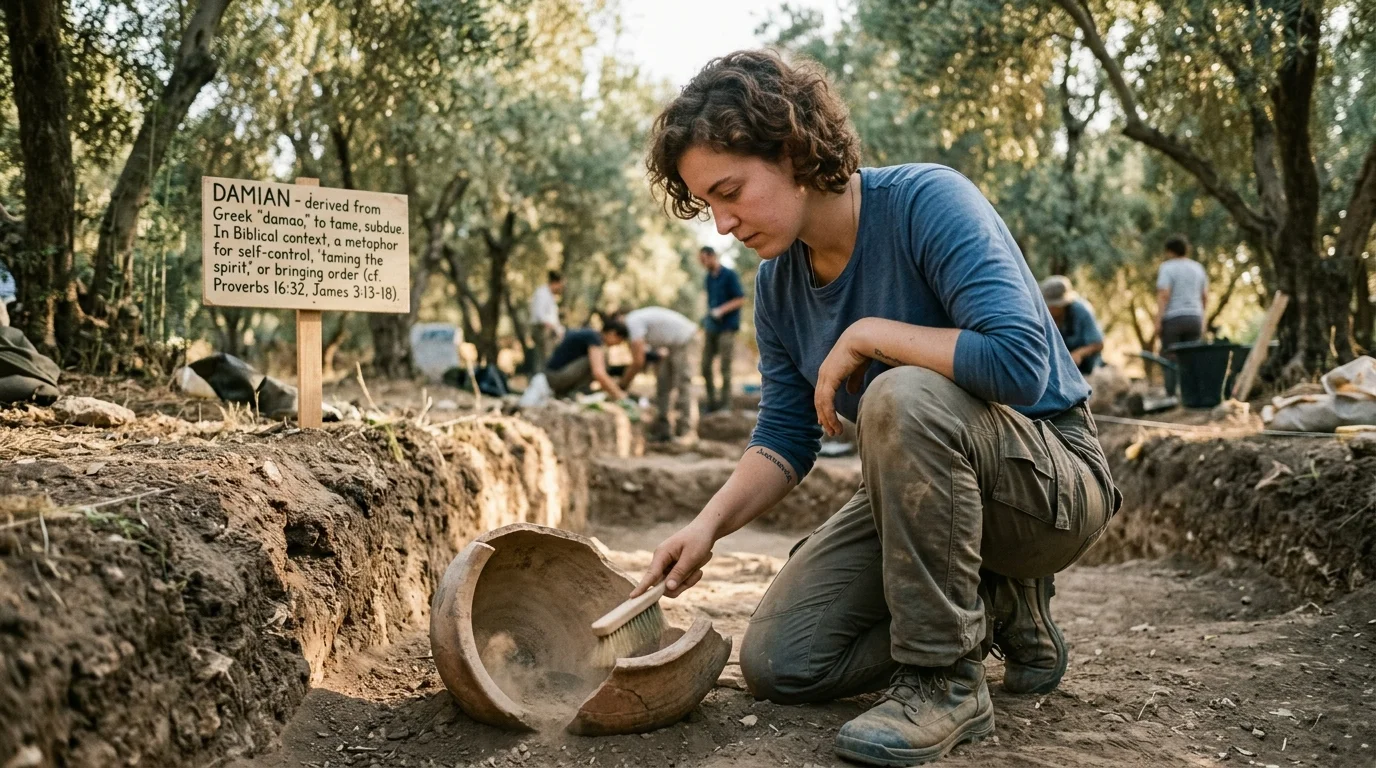
The name Damian comes from the ancient Greek name Damianos (Δαμιανός). It is generally understood to be derived from the Greek word damaō, meaning “to tame,” “to subdue,” or “to overcome.” The name became well known in early Christian history through Saint Damian, a third-century physician remembered in Christian tradition alongside his brother Cosmas for serving the sick. While these historical figures are significant in Christian tradition, they are not mentioned in the Bible.
Although Damian is absent from Scripture, the Bible frequently speaks about the importance of names. In biblical times, names often reflected a person’s character, circumstances, or God’s purpose for their life. For example, God changed Abram’s name to Abraham (Genesis 17:5) and Jacob’s name to Israel (Genesis 32:28) to signify new purposes in His redemptive plan.
These examples show that while names can carry meaningful symbolism, the Bible consistently emphasizes God’s work in a person’s life above the name itself.
Key References From Core Bible Books
The book of Genesis demonstrates that God sometimes gave new names to reflect His purposes. In Genesis 17:5, Abram became Abraham, symbolizing God’s covenant and promise to make him the father of many nations.
The book of Proverbs highlights the importance of godly character. Proverbs 22:1 teaches, “A good name is more desirable than great riches” (NIV), emphasizing that reputation and integrity matter more than popularity or status.
The book of Romans reminds believers that their identity is rooted in God’s grace. Romans 8:16–17 declares that those who trust in Christ are children of God and heirs with Him.
The book of 1 Peter encourages Christians to live lives that honor God. 1 Peter 2:12 urges believers to maintain honorable conduct so that others may see their good deeds and glorify God.
Together, these passages remind us that while names may have meaning, our identity is ultimately found in God and reflected through faithful living.
Spiritual Interpretations

1. Your Identity Is Found in God
“The Spirit himself testifies with our spirit that we are God’s children.” — Romans 8:16 (NIV)
Whether your name is biblical or not, your greatest identity comes from belonging to God through faith. His love and grace define who you are far more than the meaning or origin of your name.
2. Character Matters More Than a Name
“A good name is more desirable than great riches.” — Proverbs 22:1 (NIV)
The Bible teaches that a good reputation is built through honesty, humility, kindness, and faithfulness. A person’s character gives true meaning to their name.
3. God Has a Purpose for Every Life
“No longer will you be called Abram; your name will be Abraham.” — Genesis 17:5 (NIV)
God’s renaming of Abram reminds believers that He can give new purpose and direction to anyone who follows Him. His plans are greater than any human title or family heritage.
4. Live in a Way That Honors Christ
“Live such good lives among the pagans…” — 1 Peter 2:12 (NIV)
A name becomes meaningful through the life lived behind it. Christians are called to reflect Christ’s love, integrity, and compassion so that others may see God’s work through them.
Variations and Related Themes
The name Damian has several forms and spellings, including Damien, Damiano, and Damián, depending on the language and culture. Although these variations are not found in the Bible, they have been used by Christians around the world for centuries.
If you’re looking for names with similar themes of strength, faith, or courage that do appear in Scripture, you might consider names such as David (“beloved”), Daniel (“God is my judge”), Joshua (“The Lord is salvation”), or Caleb, who is remembered for his faithful trust in God (Numbers 14:24). These names have direct biblical roots and rich spiritual significance.
Ultimately, whether a name is biblical or not, the Bible encourages believers to seek God’s wisdom and raise children in faith, love, and obedience to Him.
Faith-Based Action Steps
1. A Prayer of Dedication
“Heavenly Father, thank You for creating each person with purpose and love. Help me remember that my true identity is found in You rather than in my name or achievements. Teach me to live with integrity, faithfulness, and compassion so that my life brings honor to Your name. Guide me in every decision, and may my character reflect Your grace each day. In Jesus’ name, Amen.”
2. Study the Meaning Behind Your Name
If you’re interested in biblical names, explore their meanings and the stories of the people who carried them. More importantly, ask God to shape your character according to His Word, regardless of your name’s origin.
3. Focus on Living a Godly Life
Whether choosing a name for a child or reflecting on your own, remember that Scripture values faithful living above titles or labels. Seek to build a reputation marked by love, humility, honesty, and trust in God.