
Biblical Background
The Bible was originally written in Hebrew, Aramaic, and Greek. Since most people today do not read these ancient languages, scholars have translated the Scriptures into hundreds of modern languages while carefully preserving the meaning of the original text.
Translation committees use different approaches. Some translations aim for formal equivalence, often called “word-for-word,” seeking to stay close to the original wording whenever possible. Others use dynamic equivalence, or “thought-for-thought,” to communicate the original meaning in clear, natural language. A few translations use a balanced approach, combining readability with close attention to the original text.
Regardless of the translation style, faithful Bible translations point readers to the same central message: God’s plan of redemption through Jesus Christ.
The apostle Paul wrote in 2 Timothy 3:16–17, “All Scripture is God-breathed and is useful for teaching, rebuking, correcting and training in righteousness” (NIV). This reminds believers that God’s Word equips them for faithful living.
Key References From Core Bible Books
The book of Psalms celebrates the guidance found in God’s Word. Psalm 119:105 declares, “Your word is a lamp for my feet, a light on my path” (NIV), reminding believers that Scripture directs every aspect of life.
The book of Proverbs encourages the pursuit of divine wisdom. Proverbs 2:6 teaches that true wisdom comes from the Lord, making regular Bible reading essential for spiritual growth.
The Gospel of John emphasizes the centrality of Christ. John 20:31 explains that the Gospel was written so readers may believe that Jesus is the Messiah and have life through Him.
The book of 2 Timothy affirms the authority and purpose of Scripture. 2 Timothy 3:16–17 teaches that God’s inspired Word equips believers for every good work.
Together, these passages remind Christians that the goal of Bible reading is to know God, grow in wisdom, and faithfully live according to His truth.
Spiritual Interpretations

1. Choose a Translation You Will Read Regularly
“Your word is a lamp for my feet, a light on my path.” — Psalm 119:105 (NIV)
A Bible that sits unopened cannot strengthen your faith. Select a translation that you can understand and enjoy reading so that God’s Word becomes a daily part of your life.
2. Scripture Leads Us to Jesus
“But these are written that you may believe that Jesus is the Messiah.” — John 20:31 (NIV)
Every faithful Bible translation points to Christ. Whether you choose the NIV, ESV, NKJV, or CSB, the ultimate purpose is to help you know Jesus more deeply.
3. God’s Word Transforms Lives
“All Scripture is God-breathed…” — 2 Timothy 3:16 (NIV)
The power of Scripture comes from God, not from a particular translation. As believers study and obey His Word, the Holy Spirit transforms their hearts.
4. Seek Wisdom Through Prayer
“For the LORD gives wisdom; from his mouth come knowledge and understanding.” — Proverbs 2:6 (NIV)
Ask God to guide your Bible reading. He delights in giving wisdom to those who sincerely seek Him and approach His Word with humility.
Variations and Related Themes
Each Bible translation has unique strengths, and the best choice depends on your purpose:
- New International Version (NIV): Easy to read and widely used for personal study, church, and devotions.
- English Standard Version (ESV): A more word-for-word translation valued for in-depth Bible study.
- Christian Standard Bible (CSB): Balances accuracy with readability, making it excellent for everyday use.
- New King James Version (NKJV): Preserves the beauty of traditional English while updating older language.
- New Living Translation (NLT): Highly readable and especially helpful for new believers and devotional reading.
No translation is perfect in every situation. Many mature Christians use more than one translation to gain a fuller understanding of a passage while always reading verses in their proper context.
Faith-Based Action Steps
1. A Prayer Before Reading Scripture
“Heavenly Father, thank You for preserving Your Word through the generations. As I read the Bible, open my heart to understand Your truth and apply it faithfully. Guide me to a translation that helps me grow closer to You and deepen my relationship with Jesus Christ. Give me wisdom through Your Holy Spirit as I study Your Word each day. In Jesus’ name, Amen.”
2. Compare Several Trusted Translations
Read the same chapter in two or three faithful translations, such as the NIV, ESV, or CSB. Notice how different wording can help clarify the meaning while keeping the central message consistent.
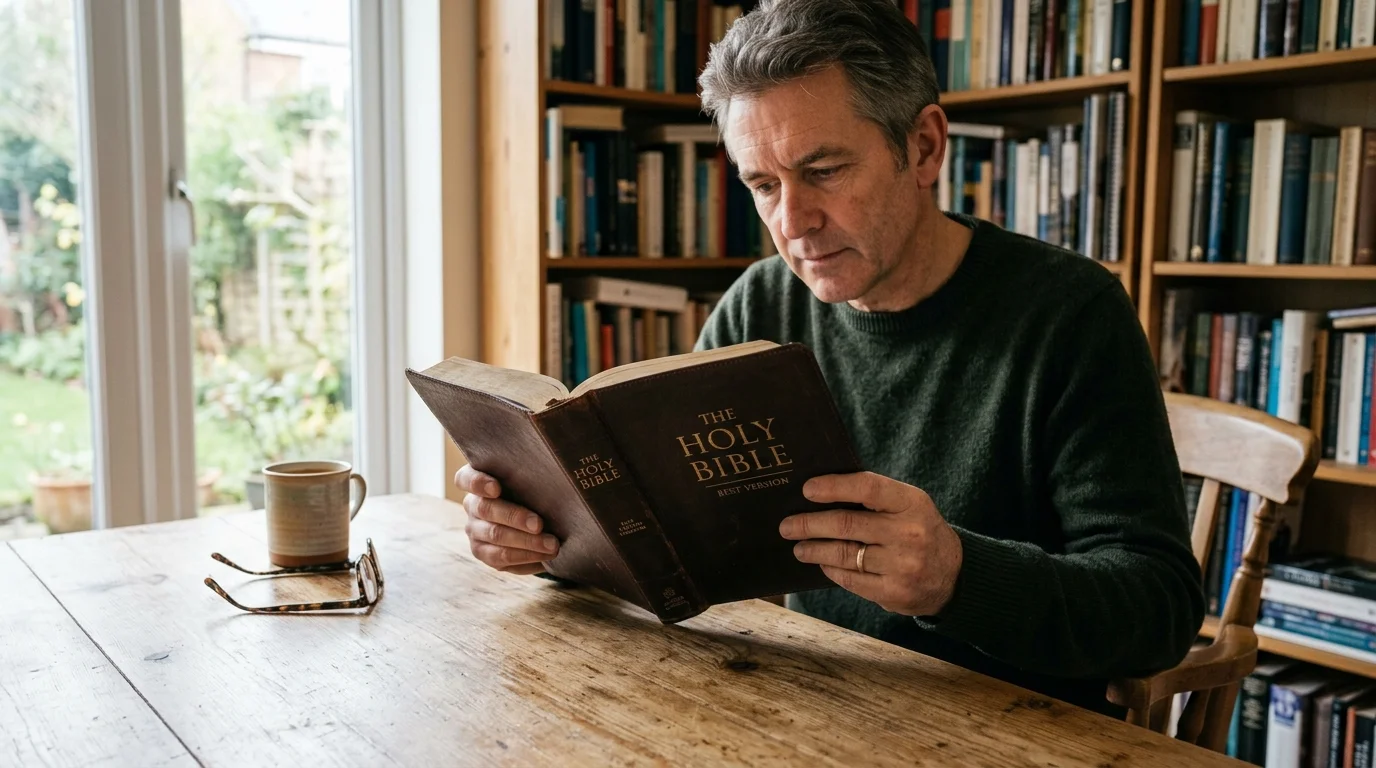
3. Develop a Daily Reading Habit
Choose one translation for your regular reading and stick with it. Set aside a consistent time each day for prayer, Scripture reading, and reflection. Faithful habits often produce lasting spiritual growth.