
Biblical Background: Burial Was the Common Practice
Throughout the Old Testament, burial was the customary way of caring for the dead. Abraham buried Sarah (Genesis 23), Jacob was buried in the family tomb (Genesis 50:13), and Jesus Himself was laid in a tomb after His crucifixion (Matthew 27:57–60).
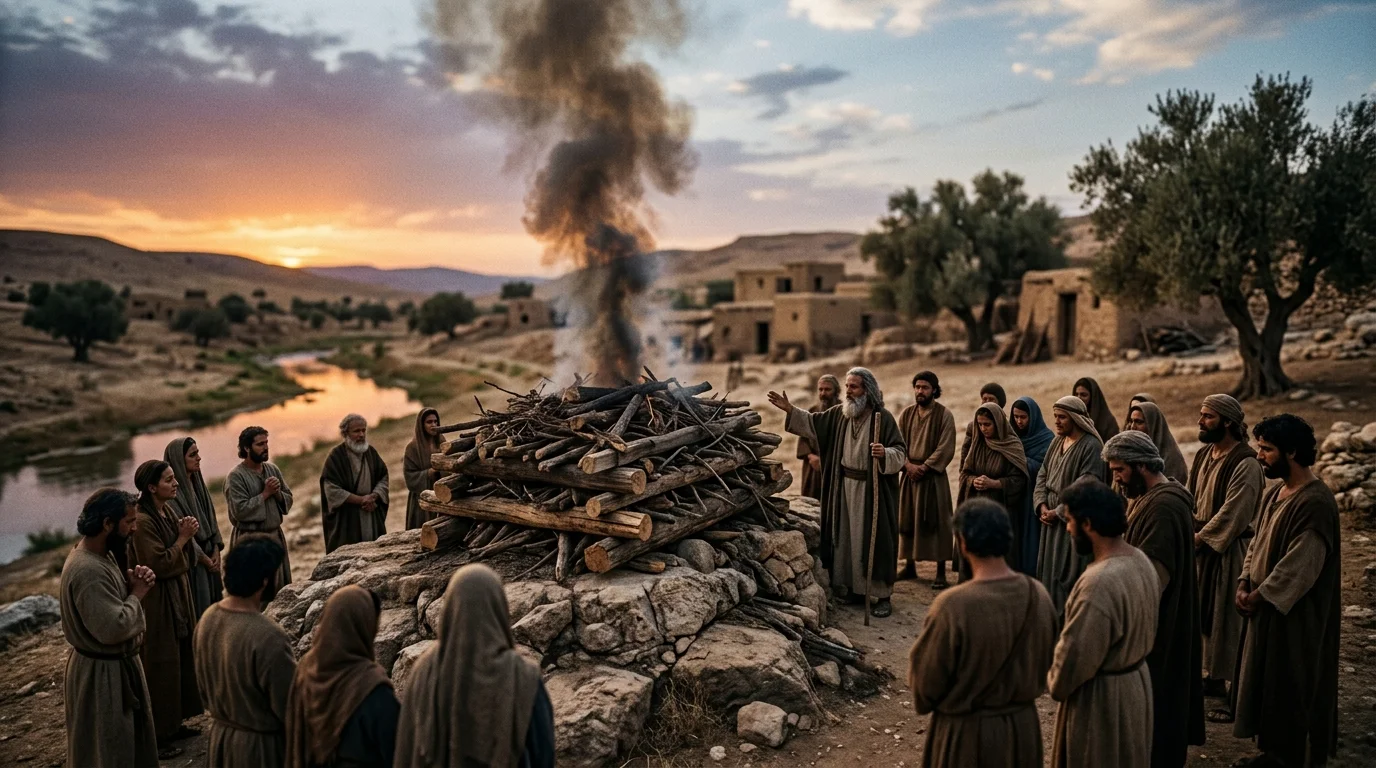
The earliest recorded cremation-like event involving Israelites appears after the death of King Saul and his sons.
1 Samuel 31:12–13 (NIV) says:
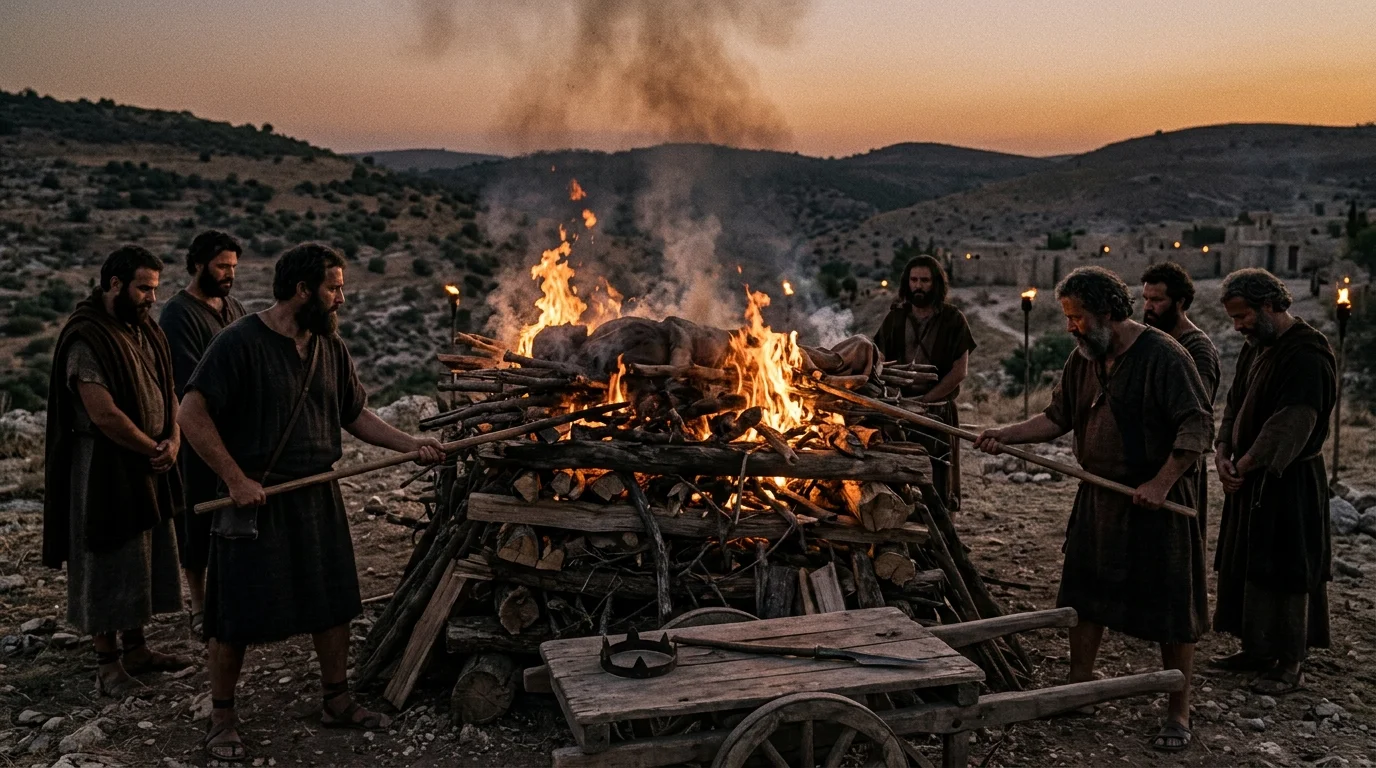
“…they traveled all night and removed the bodies of Saul and his sons from the wall of Beth Shan. They went to Jabesh, where they burned the bodies. Then they took their bones and buried them under a tamarisk tree at Jabesh, and they fasted seven days.”
Many Bible scholars believe the bodies were burned because they had been badly mutilated by the Philistines, making normal burial difficult. The bones were then respectfully buried.
Later, 1 Chronicles 10:12 records the same event, confirming this account.
This episode should be understood as an unusual circumstance rather than the standard biblical pattern for funerals.
Key References From Core Bible Books
Several books help us understand the Bible’s teaching about death, burial, and hope.
The book of Genesis is significant because it records the burial of the patriarchs. Genesis 23 and Genesis 50 demonstrate that burial was the normal practice among God’s people.
The book of 1 Samuel is directly relevant because it contains the earliest clear account of Saul’s body being burned after his death (1 Samuel 31:12–13). The passage describes an exceptional historical event rather than establishing a command.
The Gospel of John is important because it records the burial of Jesus. John 19:40–42 describes how Jesus’ body was wrapped with spices and placed in a new tomb, reflecting Jewish burial customs.
The book of 1 Corinthians emphasizes the future resurrection of believers. In 1 Corinthians 15:42–44, Paul explains that our earthly bodies are perishable, but God will raise them imperishable.
Together, these passages show that while burial was the ordinary biblical practice, the Christian hope ultimately rests in God’s power to raise the dead.
Spiritual Interpretations
1. God Desires Respect for the Human Body
“Your body is a temple of the Holy Spirit.” — 1 Corinthians 6:19 (NIV)
The Bible teaches believers to honor the body because it belongs to God.
Whether through burial or cremation, Christians should treat the deceased with dignity and respect.
The focus is on honoring God rather than following a particular funeral method.
2. Our Hope Is in the Resurrection
“The body that is sown is perishable, it is raised imperishable.” — 1 Corinthians 15:42 (NIV)
The Christian faith is centered on the resurrection.
God’s ability to raise the dead is not limited by whether a body has been buried or cremated.
Our confidence rests in Christ’s victory over death.
3. God Shows Compassion in Difficult Circumstances
“The LORD is close to the brokenhearted.” — Psalm 34:18 (NIV)
The account of Saul reminds us that tragic situations sometimes require difficult decisions.
God’s compassion extends to those who mourn and seek to honor their loved ones faithfully.
His presence offers comfort during seasons of grief.
4. Eternal Life Comes Through Christ
“I am the resurrection and the life.” — John 11:25 (NIV)
Jesus’ promise gives believers hope beyond the grave.
Funeral practices are important, but they do not determine a person’s salvation.
Faith in Jesus Christ is the foundation of the Christian hope of eternal life.
Variations & Related Themes
People often ask related questions such as, “Does the Bible forbid cremation?”, “Was anyone else cremated in Scripture?”, or “Can Christians choose cremation?”
The Bible does not contain a command that forbids cremation. While burial was the usual practice for God’s people, Scripture does not teach that cremation prevents the resurrection or excludes someone from God’s kingdom. Throughout history, faithful Christians have held different views on this matter.
When making funeral decisions, many believers consider family wishes, local customs, personal convictions, and the desire to honor God and the deceased with dignity.
Faith-Based Action Steps
1. Pray for Wisdom and Peace
Sample Prayer:
“Heavenly Father, thank You for the hope we have through Jesus Christ. Give me wisdom as I seek to understand Your Word and make decisions that honor You. Comfort those who are grieving and remind us that our ultimate hope is found in the resurrection promised through Christ. In Jesus’ name, Amen.”
2. Reflect on the Hope of the Resurrection
Read 1 Corinthians 15, John 11, and 1 Thessalonians 4:13–18.
Ask yourself:
- Where is my hope when facing death?
- How does Christ’s resurrection change my perspective on eternity?
- Am I trusting God’s promises?
Let these passages strengthen your confidence in the gospel.
3. Seek Wise Christian Counsel
If you are making decisions about funeral arrangements or have questions about cremation, speak with a trusted pastor or mature Christian mentor.
They can help you apply biblical principles with wisdom, compassion, and sensitivity to your family’s circumstances.