
Biblical Background
From Genesis to Revelation, the Bible presents forgiveness as a central part of God’s relationship with humanity. In the Old Testament, God repeatedly showed mercy to His people despite their failures, calling them to repent and return to Him.
The New Testament reveals the fullness of God’s forgiveness through Jesus Christ. His teachings emphasized mercy, compassion, and reconciliation, and His death and resurrection made forgiveness of sins available to all who place their faith in Him.
The apostles continued this message, encouraging believers to forgive one another just as God has forgiven them.
What Does Forgiveness Mean in the Bible?
In the Bible, forgiveness means:
- Releasing the debt created by wrongdoing.
- Letting go of bitterness and resentment.
- Extending mercy instead of seeking personal revenge.
- Trusting God to bring justice.
- Choosing love even after being hurt.
Forgiveness does not necessarily mean:
- Pretending the offense never happened.
- Ignoring injustice or abuse.
- Instantly restoring broken trust.
- Approving sinful behavior.
Instead, biblical forgiveness is a heart attitude that reflects God’s grace while allowing wisdom and healthy boundaries where needed.
Key Bible Verses About Forgiveness
Ephesians 4:32
“Be kind and compassionate to one another, forgiving each other, just as in Christ God forgave you.” (NIV)
Believers are called to forgive because God has first forgiven them.
Colossians 3:13
“Forgive as the Lord forgave you.” (NIV)
God’s forgiveness becomes the model for our relationships.
Matthew 6:14–15
Jesus teaches the importance of having a forgiving heart toward others.
1 John 1:9
“If we confess our sins, he is faithful and just and will forgive us our sins.” (NIV)
God promises forgiveness to those who sincerely confess and repent.
Psalm 103:12
“As far as the east is from the west, so far has he removed our transgressions from us.” (NIV)
God completely removes the guilt of forgiven sin.
Isaiah 1:18
“Though your sins are like scarlet, they shall be as white as snow.” (NIV)
God offers complete cleansing and restoration.
Micah 7:18–19
God delights in showing mercy and compassion.
Luke 23:34
“Father, forgive them, for they do not know what they are doing.” (NIV)
Even while on the cross, Jesus prayed for those who crucified Him.
Matthew 18:21–22
Jesus teaches Peter that forgiveness should not be limited by numbers but offered generously.
Mark 11:25
Jesus encourages believers to forgive others when they pray.
Romans 12:19
Believers are instructed to leave vengeance to God rather than seeking personal revenge.
Proverbs 17:9
Love promotes forgiveness and reconciliation.
James 5:16
Confession and prayer encourage healing and restored relationships.
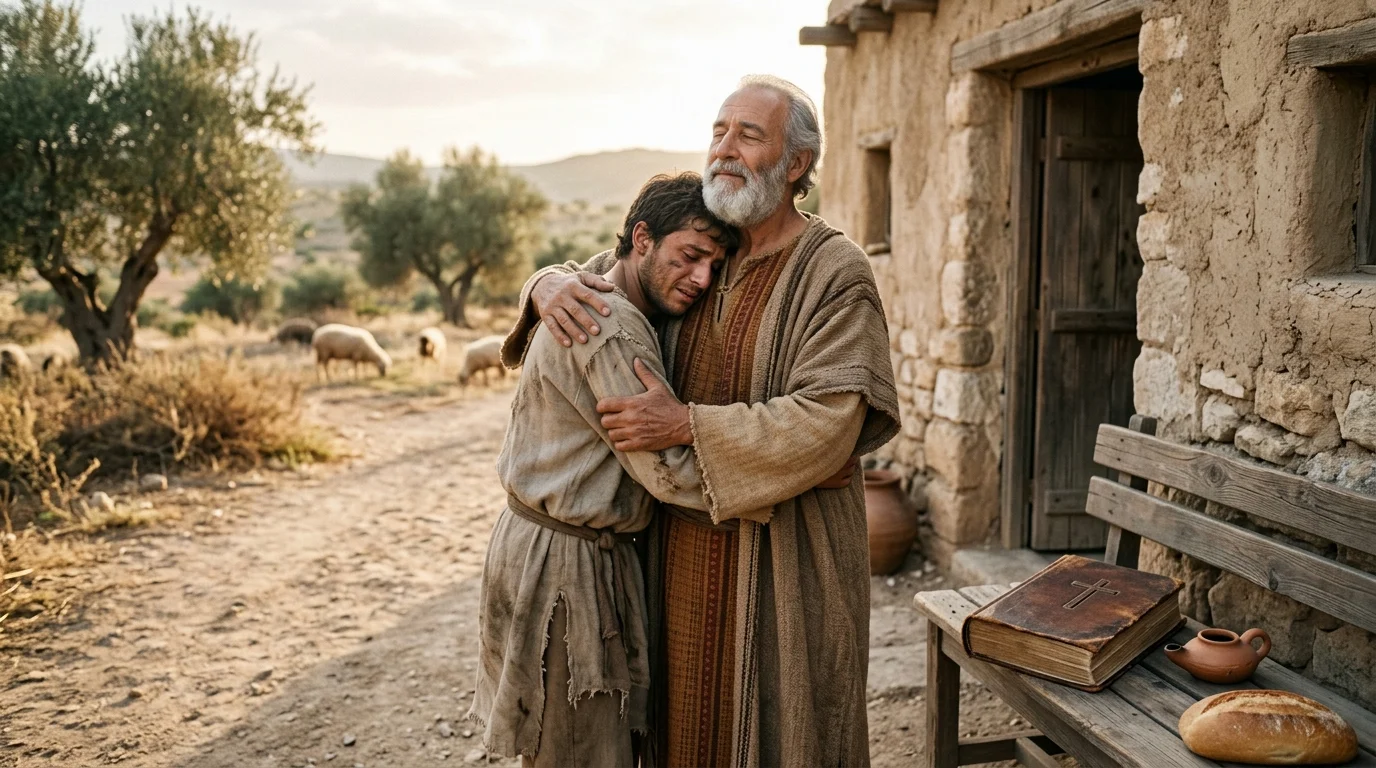
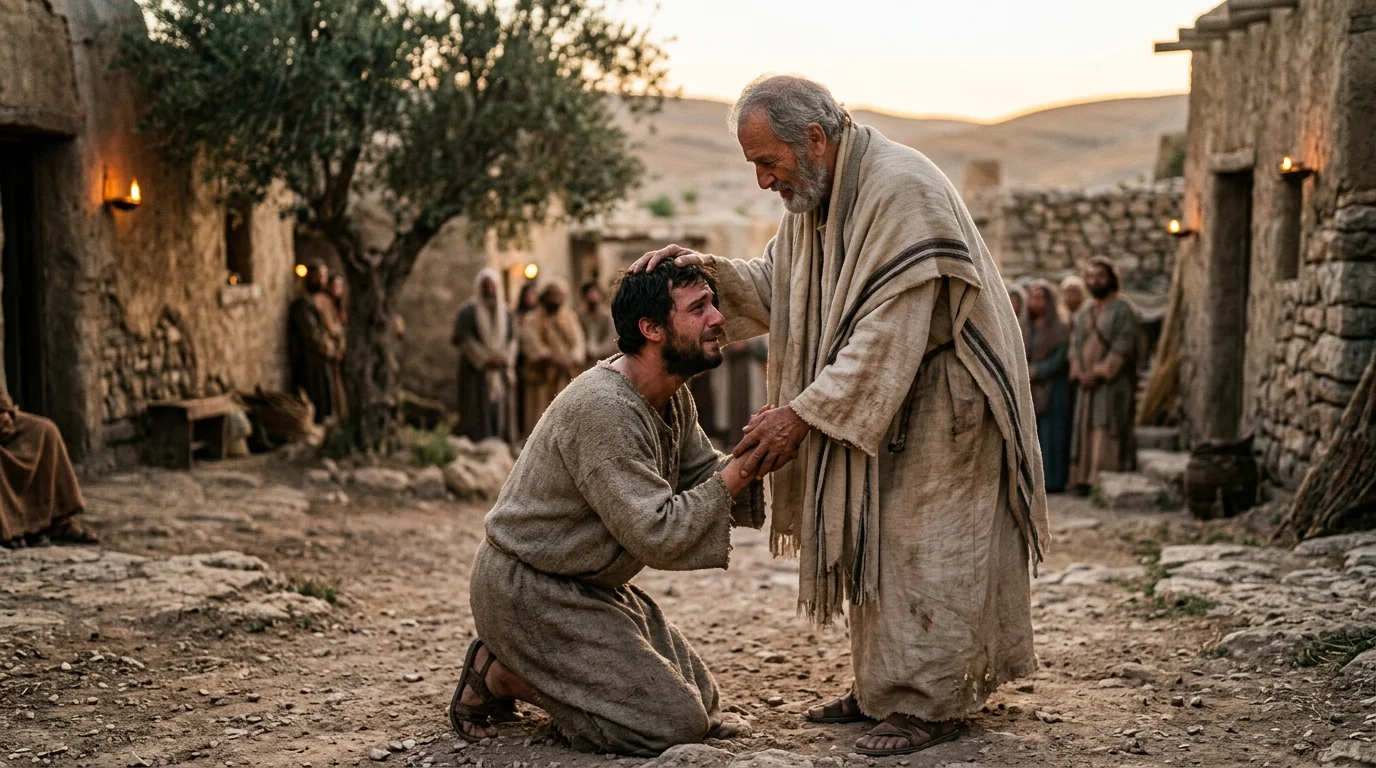
Luke 15:11–32
The Parable of the Prodigal Son beautifully illustrates God’s willingness to forgive.
Acts 3:19
Repentance leads to forgiveness and spiritual renewal.
Hebrews 8:12
God promises to remember forgiven sins no more.
Daniel 9:9
God is described as merciful and forgiving.
Psalm 86:5
“You, Lord, are forgiving and good.” (NIV)
God’s character is marked by mercy.
Isaiah 43:25
God forgives sins for His own sake and remembers them no more.
2 Corinthians 5:17
Forgiveness through Christ leads to a new beginning.
Why Forgiveness Matters
It Reflects God’s Character
Forgiving others demonstrates God’s mercy and grace.
It Brings Freedom
Forgiveness helps release bitterness and promotes emotional and spiritual healing.
It Restores Relationships
While reconciliation is not always possible, forgiveness creates opportunities for peace and restoration.
It Encourages Spiritual Growth
Forgiving others helps believers grow in humility, compassion, and love.
Examples of Forgiveness in the Bible
Joseph Forgave His Brothers
After being betrayed and sold into slavery, Joseph chose mercy instead of revenge.
David Spared Saul
David repeatedly refused to harm King Saul despite being pursued.
Jesus Forgave His Enemies
Even on the cross, Jesus demonstrated extraordinary forgiveness.
The Prodigal Son
The father welcomed his returning son with love, grace, and celebration.
Variations and Related Themes
People searching for what is forgiveness in the Bible also often look for Bible verses about forgiveness, God’s forgiveness, forgiving others, repentance in the Bible, mercy in Scripture, and grace in the Bible.
Exploring these related topics provides a deeper understanding of God’s love and His call to extend forgiveness to others.
Faith-Based Action Steps
1. Pray for a Forgiving Heart
Ask God to help you release bitterness and respond with grace.
2. Remember God’s Mercy
Reflect on the forgiveness you have received and let it shape how you treat others.
3. Pursue Reconciliation Wisely
Where it is safe and appropriate, seek peace and restored relationships while maintaining healthy boundaries when necessary.