
Biblical Background
Adonai (אֲדֹנָי) is a Hebrew word meaning “Lord,” “Master,” or “Sovereign One.” It is the plural form of adon (“lord” or “master”), used with special honor and reverence when referring to God. Rather than suggesting more than one God, this form expresses majesty, greatness, and supreme authority.
In the Old Testament, Adonai often appears alongside God’s covenant name, represented by the four Hebrew letters YHWH (sometimes called the Tetragrammaton). Out of reverence, Jewish readers traditionally said Adonai aloud when they encountered YHWH in the biblical text. This practice is one reason many English Bible translations render God’s covenant name simply as “LORD” in capital letters.
One early example appears in Genesis 15:2, where Abram prays, “Sovereign LORD, what can you give me…?” (NIV). Here, Abram acknowledges God’s supreme authority while expressing his trust and dependence on Him.
Throughout Scripture, Adonai points to God’s rightful rule over creation and His faithful care for His people.
Key References From Core Bible Books
The book of Genesis introduces Adonai in the prayers of the patriarchs. In Genesis 15:2, Abram addresses God as “Sovereign LORD,” recognizing Him as the One who directs his future and fulfills His promises.
The book of Psalms celebrates God’s lordship in worship. Psalm 8:1 proclaims, “LORD, our Lord, how majestic is your name in all the earth!” (NIV), praising God’s greatness and authority over all creation.
The prophet Isaiah frequently uses Adonai to emphasize God’s holiness and kingship. In Isaiah 6:1, the prophet sees “the Lord, high and exalted, seated on a throne,” revealing God’s unmatched glory and sovereignty.
The Gospel of John presents Jesus as Lord. John 13:13 records Jesus saying, “You call me ‘Teacher’ and ‘Lord,’ and rightly so, for that is what I am.” This affirms His divine authority and calls believers to follow Him in faithful obedience.
Together, these passages reveal that God’s lordship is a consistent theme throughout the Bible, inviting His people to trust and worship Him wholeheartedly.
Spiritual Interpretations
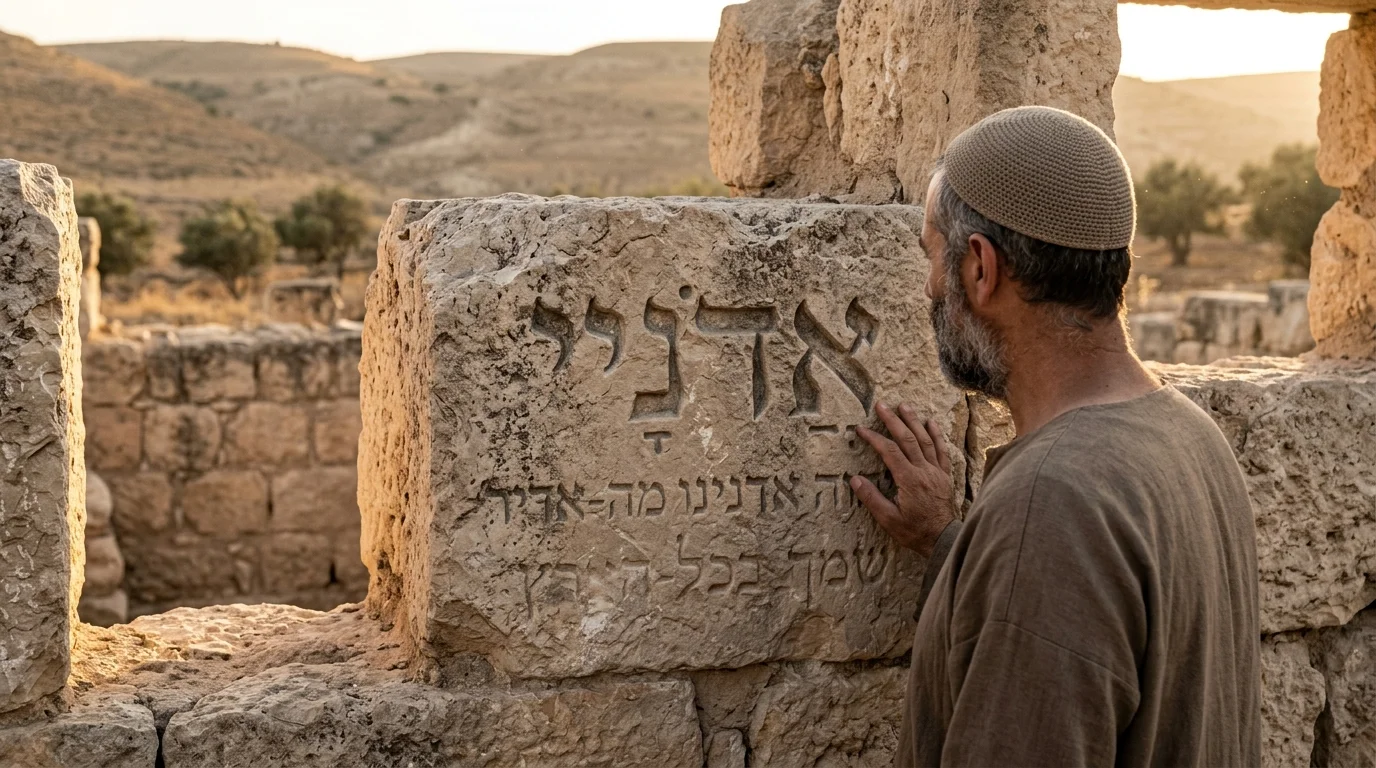
1. Adonai Reveals God’s Supreme Authority
“Sovereign LORD, what can you give me…?” — Genesis 15:2 (NIV)
Abram’s prayer acknowledges God as the ultimate ruler over every circumstance. Calling God Adonai reminds believers that He is sovereign over history, our lives, and every promise He has made.
2. Adonai Calls Us to Worship
“LORD, our Lord, how majestic is your name in all the earth!” — Psalm 8:1 (NIV)
Recognizing God as Lord naturally leads to worship. His greatness, wisdom, and power inspire humility, gratitude, and joyful praise from His people.
3. Adonai Invites Trust and Obedience
“Trust in the LORD with all your heart.” — Proverbs 3:5 (NIV)
Although this verse uses God’s covenant name rather than the title Adonai, it reflects the same truth: God’s people can confidently trust His leadership. Surrendering to His guidance brings wisdom and peace.
4. Jesus Is Our Lord and Master
“You call me ‘Teacher’ and ‘Lord,’ and rightly so, for that is what I am.” — John 13:13 (NIV)
The New Testament reveals that Jesus shares the authority and lordship of God. Following Christ means recognizing Him as Lord in every area of life, not only in words but also through faithful obedience.
Variations and Related Themes
The Bible contains many names and titles for God, each revealing something unique about His character. YHWH (LORD) emphasizes God’s eternal covenant faithfulness, while Elohim highlights His power as Creator. El Shaddai points to God’s sufficiency and might, and Jehovah Jireh reminds believers that the Lord provides for His people.
Unlike these names, Adonai focuses especially on God’s authority and rightful rule. It reminds believers that God is both King and loving Master, worthy of complete trust and wholehearted devotion.
Understanding these biblical names together provides a richer picture of God’s character. They do not describe different gods but reveal different aspects of the one true God who is faithful, holy, loving, powerful, and sovereign.
Faith-Based Action Steps
1. A Prayer of Surrender
“Heavenly Father, You are Adonai—my Lord and my Master. Thank You for Your wisdom, love, and faithful leadership in my life. Help me trust Your plans even when I do not understand them. Teach me to obey Your Word, follow Your guidance, and honor You in everything I do. Thank You for ruling with perfect justice, mercy, and grace. In Jesus’ name, Amen.”
2. Reflect on God’s Lordship
Read Genesis 15, Psalm 8, Isaiah 6, and John 13. Ask yourself how recognizing God as Adonai changes the way you approach prayer, worship, and daily decisions.

3. Live Under God’s Authority
Choose one area of your life where you need to trust God’s direction more fully. Pray about it, study what Scripture teaches, and seek to follow His will with humility and confidence.