
Biblical Background
Unlike some numbers that receive direct symbolic emphasis in Scripture, such as 7 or 12, the number 9 is not given a formal biblical definition. However, it appears in several significant passages that have led many Bible students to observe recurring spiritual themes.
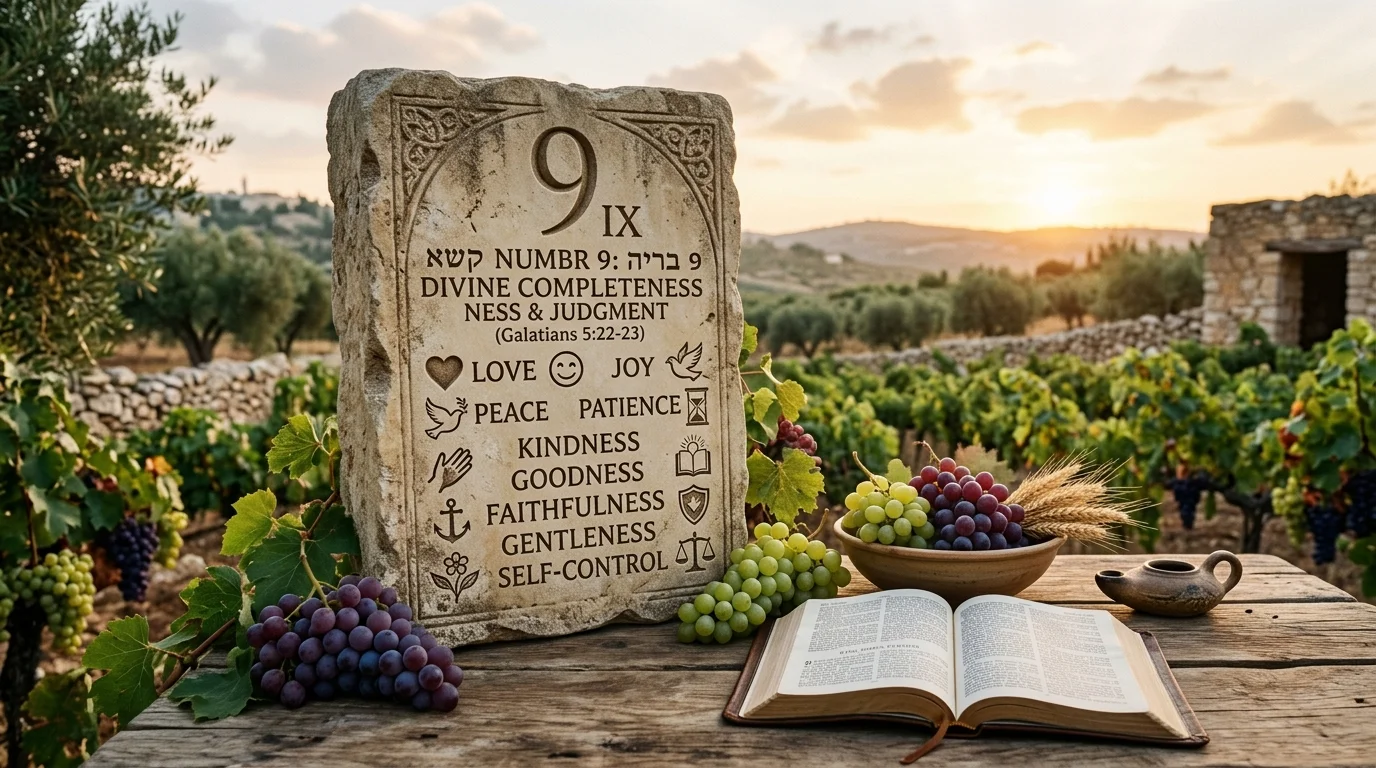
One of the clearest examples is found in Galatians 5:22–23, where Paul lists the fruit of the Spirit. These qualities are commonly counted as nine characteristics: love, joy, peace, patience, kindness, goodness, faithfulness, gentleness, and self-control. Together, they describe the character the Holy Spirit develops in believers.
The Gospels also record that Jesus died around the ninth hour of the day (Matthew 27:46–50; Mark 15:34–37). This moment marked the completion of His sacrificial work on the cross, fulfilling God’s plan of redemption.
These examples suggest that the number 9 is connected with God’s work reaching fulfillment and with the visible evidence of a life transformed by Him. Still, these observations should always remain secondary to the Bible’s clear teachings rather than becoming the basis for predictions or mystical interpretations.
Key References From Core Bible Books
The book of Galatians is especially relevant because it presents the fruit of the Spirit in Galatians 5:22–23. These nine qualities reveal the kind of character God desires to produce in every believer through the Holy Spirit.
The Gospel of Matthew records Jesus crying out at the ninth hour before giving up His spirit (Matthew 27:46–50). This passage highlights the completion of Christ’s redemptive sacrifice and God’s plan for salvation.
The Gospel of Mark also records the events of the ninth hour (Mark 15:34–37), reinforcing the significance of Jesus’ death as the fulfillment of prophecy and the foundation of Christian hope.
The book of Romans reminds believers that true spiritual transformation comes through God’s grace. Romans 12:2 teaches that Christians are transformed by the renewing of their minds, a process reflected in the fruit of the Spirit.
Together, these passages encourage believers to focus less on hidden meanings behind numbers and more on the spiritual truths God clearly reveals through His Word.
Spiritual Interpretations
1. The Fruit of the Spirit Reflects Spiritual Maturity
“But the fruit of the Spirit is love, joy, peace, forbearance, kindness, goodness, faithfulness, gentleness and self-control.” — Galatians 5:22–23 (NIV)
The nine qualities listed by Paul describe a life that is growing under the guidance of the Holy Spirit. Rather than seeking symbolic meanings in numbers, believers are called to cultivate these Christlike characteristics through daily faith and obedience.
2. God’s Plan Is Perfectly Fulfilled
“About three in the afternoon Jesus cried out in a loud voice…” — Matthew 27:46 (NIV)
Jesus’ death at the ninth hour reminds Christians that God’s plan of salvation was accomplished according to His perfect timing. The cross demonstrates both God’s justice and His immeasurable love for humanity.
3. Spiritual Growth Is More Important Than Symbolism
“Be transformed by the renewing of your mind.” — Romans 12:2 (NIV)
The Bible consistently emphasizes transformed hearts over hidden meanings. Instead of becoming preoccupied with numbers, Christians are encouraged to pursue renewed minds and faithful obedience to God.
4. God’s Word Provides True Wisdom
“For the LORD gives wisdom; from his mouth come knowledge and understanding.” — Proverbs 2:6 (NIV)
Biblical wisdom comes from studying Scripture in its context. While numbers may sometimes carry symbolic value, believers should always allow clear biblical teaching to guide their understanding rather than speculation or superstition.
Variations and Related Themes
The number 9 appears in several noteworthy biblical contexts beyond the fruit of the Spirit and the ninth hour. For example, Leviticus 23:32 refers to the Day of Atonement beginning in the evening of the ninth day of the month before continuing into the tenth day. These references help establish historical and ceremonial context within Israel’s worship.
Many Christians also study the symbolic meanings of other biblical numbers, including 3, 7, 10, 12, and 40. While Scripture sometimes uses numbers symbolically, the Bible never instructs believers to treat them as secret codes for predicting future events or determining God’s will.
The safest and most faithful approach is to appreciate biblical patterns while keeping our attention on the central message of Scripture—God’s character, His redemption through Jesus Christ, and His call to faithful living.
Faith-Based Action Steps
1. A Prayer for Wisdom
“Heavenly Father, thank You for giving us Your Word to guide our lives. Help me seek Your truth with humility and wisdom. Keep me focused on growing in faith rather than becoming distracted by speculation. Fill my life with the fruit of Your Holy Spirit and teach me to trust Your perfect plans each day. In Jesus’ name, Amen.”
2. Study Scripture in Context
When you notice repeated numbers or symbols in the Bible, read the surrounding passage carefully. Ask what the author intended to communicate and how the passage points to God’s truth rather than searching for hidden meanings.
3. Pursue Spiritual Growth
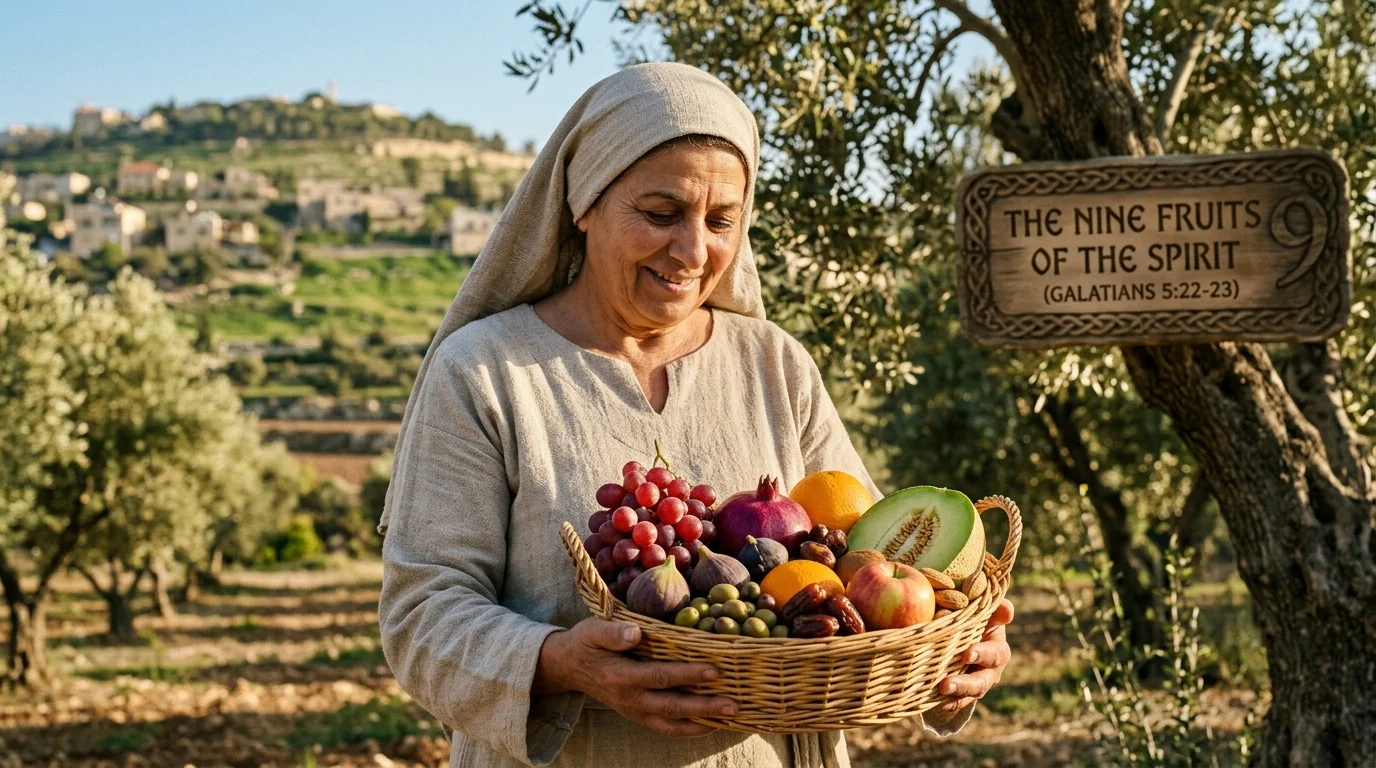
Instead of focusing primarily on symbolic numbers, spend time developing the fruit of the Spirit through prayer, Bible study, worship, and fellowship with other believers. These practices lead to lasting spiritual maturity.